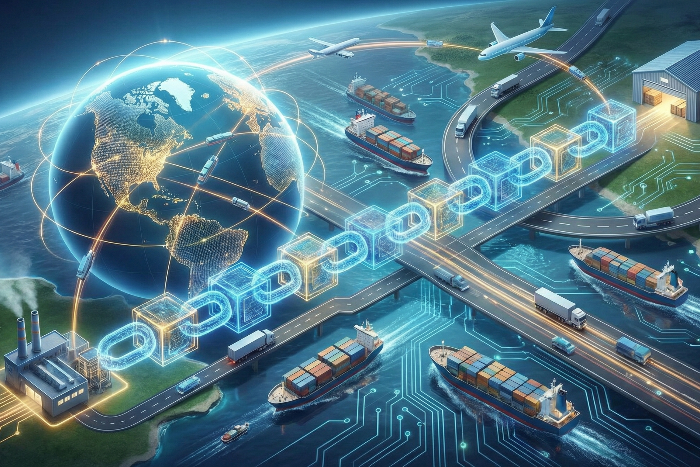
What is Supply Chain Traceability?
Supply chain traceability refers to the ability to track and trace the flow of products, components, or raw materials throughout the entire supply chain—from their origin through production, distribution, and ultimately to the end consumer or user. This visibility is crucial for several reasons:
- Quality Control and Safety: Traceability ensures product safety by monitoring quality at every supply chain stage, critical in industries like food, pharmaceuticals, and automotive.
- Compliance and Regulations: Traceability helps meet strict regulatory standards on product origins, ingredients, handling, and labeling, ensuring legal compliance.
- Supply Chain Efficiency: Tracking goods’ location and status optimizes inventory management, reduces stockouts, minimizes wastage, and enhances operational efficiency.
- Risk Management: Traceability identifies and mitigates risks like supply chain disruptions, counterfeiting, unauthorized substitutions, and unethical practices.
- Customer Trust and Brand Reputation: Transparent supply chains meet consumer demands for product information, fostering trust, authenticity, and loyalty in today’s socially conscious market.
Challenges faced by traditional supply chains
- Complexity and Fragmentation: Modern supply chains are often complex and involve multiple entities, including suppliers, manufacturers, distributors, retailers, and logistics partners. This complexity can lead to data silos, fragmented information systems, and challenges in tracking products across different stages and locations.
- Limited Visibility: Traditional supply chains may lack real-time visibility into inventory levels, production processes, shipping status, and other critical data points. This limited visibility can result in delays, inefficiencies, and difficulties in responding quickly to disruptions or changes in demand.
- Data Integrity and Accuracy: Manual record-keeping processes or outdated systems can lead to errors, inconsistencies, and inaccuracies in supply chain data. This compromises the reliability of information related to product origins, batch numbers, expiration dates, and compliance documentation.
- Supply Chain Risks: Without robust traceability mechanisms, supply chains are vulnerable to various risks such as counterfeiting, product recalls, supply shortages, supplier non-compliance, and ethical lapses. These risks can have financial, legal, and reputational implications for businesses.
- Lack of Transparency: In traditional supply chains, stakeholders may have limited visibility into each other’s operations, practices, and performance metrics. This lack of transparency can hinder trust, collaboration, and accountability across the supply chain ecosystem.
Addressing these challenges requires adopting advanced technologies and innovative solutions, such as blockchain, IoT (Internet of Things), AI (Artificial Intelligence), and data analytics, to enable end-to-end traceability, data transparency, and supply chain resilience. These technologies can transform supply chains by providing real-time data insights, automating processes, enhancing collaboration, and ensuring compliance with evolving industry standards and regulations.
Supply Chain Traceability Using Blockchain
Blockchain technology has emerged as a transformative solution for enhancing traceability in supply chains across various industries. Unlike traditional data management systems, blockchain offers several key features that make it particularly well-suited for ensuring transparency, security, and trust in supply chain processes.
Key Features of Blockchain for Supply Chain Traceability:
- Decentralization: Blockchain operates on a decentralized network of computers, known as nodes, which collectively validate and record transactions. This decentralized nature eliminates the need for a central authority, reducing the risk of data manipulation or single-point failures.
- Immutability: Once data is recorded on the blockchain, it becomes immutable, meaning it cannot be altered or tampered with retroactively. This feature ensures the integrity and authenticity of transaction records, making blockchain a reliable source of truth for supply chain traceability.
- Transparency: Blockchain provides transparency by allowing authorized parties to access a shared, tamper-proof ledger. This transparency enables stakeholders to track the movement of goods, verify transactions, and ensure compliance with established protocols and standards.
- Smart Contracts: Smart contracts are self-executing contracts with predefined rules encoded into the blockchain. These contracts automate and enforce terms and conditions, such as payment schedules, quality standards, and delivery milestones, based on agreed-upon triggers or conditions. Smart contracts streamline processes, reduce delays, and enhance contractual compliance within supply chains.
- Traceable and Auditable: Each transaction or event recorded on the blockchain generates a unique cryptographic signature, creating a permanent and traceable record of activities. This audit trail facilitates traceability by allowing stakeholders to trace the origin, journey, and ownership history of products or assets throughout the supply chain.
By leveraging these key features, blockchain technology empowers supply chain participants to achieve greater visibility, accountability, and efficiency in their operations. From ensuring product authenticity and compliance to mitigating risks and enhancing customer trust, blockchain-based traceability solutions are poised to revolutionize how supply chains are managed and optimized.
Use-cases of Blockchain for Supply Chain Traceability
Let’s delve into specific use cases where blockchain can enhance traceability across various industries:
Food Safety:
- Problem: Food supply chains are complex, involving multiple stakeholders from farmers to distributors to retailers. Contamination, fraud, and mislabeling are significant concerns that can compromise food safety.
- Blockchain Solution: Implementing blockchain in food supply chains enables end-to-end traceability of food products. Each step, from farm to table, can be recorded on the blockchain, including information about origin, production methods, transportation, and storage conditions. For example, Walmart and IBM have collaborated on blockchain-based systems to trace the journey of certain food items like pork and mangoes, ensuring transparency and quick response to food safety issues.
Pharmaceuticals:
- Problem: Counterfeit drugs pose serious health risks to consumers and damage the reputation of pharmaceutical companies. Supply chain transparency is crucial to ensure the authenticity and integrity of medications.
- Blockchain Solution: Blockchain can be used to create a secure and transparent system for tracking pharmaceutical products from manufacturing facilities to pharmacies. Each drug batch can be assigned a unique identifier recorded on the blockchain, allowing stakeholders to verify its authenticity and trace its entire supply chain journey. This helps in combating counterfeit drugs, ensuring regulatory compliance, and improving patient safety.
Key Benefits of Using Blockchain for Supply Chain Traceability
- Improved Transparency: Provides clear visibility into supply chain processes, fostering trust among stakeholders.
- Efficiency Enhancement: Optimizes inventory management, streamlines processes, and improves responsiveness.
- Risk Management and Compliance: Enables early risk identification, ensures regulatory compliance, and mitigates quality issues.
- Quality Control and Product Integrity: Verifies product authenticity, facilitates track-and-trace capabilities, and enhances consumer trust.
- Data-driven Decision Making: Generates actionable insights for informed decision-making and continuous improvement.
Conclusion
In conclusion, our expertise in leveraging advanced technologies such as blockchain for supply chain traceability positions us as a trusted partner in optimizing transparency, efficiency, and risk management within supply chains. We understand the critical importance of traceability in today’s dynamic business landscape and are committed to helping businesses achieve greater visibility, compliance, and customer trust. We invite businesses looking to enhance their supply chain operations through innovative traceability solutions to connect with us and explore how we can drive value together.
Engineer Unbreakable Trust with Mindfire Solutions
True supply chain transparency requires more than just vision; it demands robust, error-free execution. At Mindfire Solutions, we architect the decentralized infrastructure that turns traceability into a competitive advantage. With deep expertise in deploying enterprise-grade blockchain ecosystems, our team builds custom, immutable ledgers and secure smart contracts tailored to the complexities of global logistics. Don’t just track your assets—certify their journey with a partner proven to deliver. Secure your supply chain’s future with Mindfire’s premier blockchain development services.