Utilizing AI-Based Techniques for Test Result Analysis and Insights

Introduction

Imagine a world where educators can predict a student’s success with 90% accuracy, where doctors can diagnose diseases early through automated analysis of test results, and where software developers can identify critical bugs before they become major issues. According to a recent study by McKinsey, AI has the potential to increase business productivity by up to 40%. This transformative power of AI is reshaping how we analyze and derive insights from test results across various sectors.

Artificial Intelligence (AI) is revolutionizing test result analysis by making it more efficient, accurate, and insightful. Traditional methods often involve time-consuming and error-prone manual processes. In contrast, AI automates and enhances this analysis using advanced algorithms and machine learning. This transformation is especially impactful in education, where it enables personalized learning; healthcare, where it aids in early disease detection; and software testing, where it improves quality and reliability. As we explore AI-based techniques for test result analysis, we see how AI is driving smarter, data-driven decision-making.

What is AI based Test Result Analysis?

AI-based test result analysis involves using artificial intelligence techniques such as machine learning, deep learning, and natural language processing to automatically process, analyze, and interpret test data. This approach leverages advanced algorithms to identify patterns, make predictions, and derive insights that inform decision-making.

Traditional Methods vs. AI-Based Approaches:

Data Processing:

  • Traditional: Manual data entry and cleaning, often leading to time-consuming and error-prone processes.
  • AI-Based: Automated data preprocessing, including data cleaning, normalization, and transformation, ensuring high-quality input for analysis.

Pattern Recognition:

  • Traditional: Relies on predefined statistical methods and simple rule-based systems, which may miss complex patterns and relationships.
  • AI-Based: Utilizes machine learning algorithms to detect complex patterns and correlations within large datasets, providing more comprehensive insights.

Scalability:

  • Traditional: Limited scalability due to manual efforts and linear processing capabilities, making it difficult to handle large volumes of data efficiently.
  • AI-Based: Highly scalable, leveraging parallel processing and cloud computing to manage and analyze massive datasets quickly and efficiently.

Accuracy and Precision:

  • Traditional: Prone to human error and inconsistencies, which can affect the accuracy and reliability of results.
  • AI-Based: High accuracy and precision through automated analysis, reducing human error and enhancing the reliability of outcomes.

Insight Generation:

  • Traditional: Insights are often derived from basic descriptive statistics and straightforward data visualizations.
  • AI-Based: Generates deeper insights using advanced analytics, predictive modeling, and natural language processing, offering actionable recommendations and forecasts.

By automating and enhancing the analysis process, AI-based approaches significantly improve the efficiency, accuracy, and depth of test result analysis compared to traditional methods.

Domain-Specific Applications

Education

  • Predicting Student Performance: AI analyzes performance data and engagement metrics to forecast outcomes and identify at-risk students for early intervention.
  • Personalized Learning: AI-driven platforms adjust content to fit individual learning styles and paces, such as adaptive learning systems like DreamBox.
  • Actionable Insights: AI provides detailed analytics on student progress and engagement, helping educators make data-driven decisions to improve teaching strategies.

Healthcare

  • Medical Diagnostics: AI analyzes medical images and lab results for early disease detection, with systems like Google’s DeepMind diagnosing eye diseases accurately.
  • Early Disease Detection: AI identifies early signs of diseases like cancer and diabetes by analyzing patient data patterns, exemplified by IBM Watson for Health.
  • Personalized Treatment Plans: AI creates personalized treatment plans based on patient data, including genetic information, used by platforms like Tempus for cancer treatment.

Software Testing

  • Identifying Bugs: AI models detect patterns associated with bugs in code, used by tools like CodeAI and DeepCode for more accurate bug identification.
  • Predicting Failure Points: AI predicts software failure points by analyzing historical and current test data, improving reliability.
  • Optimizing Testing Processes: AI-driven test automation tools, such as Selenium, generate and execute test cases, reducing testing time and improving software quality.

Benefits of AI in Test Result Analysis

Efficiency

AI significantly reduces the time and effort required for analysis by automating data preprocessing, pattern recognition, and reporting. Automated systems process large datasets quickly, enabling faster decision-making and freeing up human resources for more strategic tasks.

Accuracy

AI-driven analysis improves accuracy and reliability by minimizing human error. Advanced algorithms and machine learning models can detect subtle patterns and correlations that traditional methods might miss, leading to more precise and dependable results.

 Scalability

AI excels in handling large volumes of data, making it ideal for big data applications. AI systems can process and analyze vast datasets in parallel, ensuring that even as data volumes grow, the analysis remains efficient and effective without a proportional increase in resources.

Personalization

AI provides personalized insights and recommendations by analyzing individual data points in context. In education, this means tailored learning experiences for each student. In healthcare, it means treatment plans customized to individual patient profiles. This level of personalization leads to more relevant and effective outcomes.

Conclusion

 Mindfire is a leader in leveraging AI for advanced test result analysis, offering unparalleled expertise in enhancing efficiency, accuracy, scalability, and personalization. By integrating cutting-edge AI techniques, we provide businesses with deep, actionable insights that drive superior decision-making and outcomes. We invite you to partner with us to transform your test result analysis processes and unlock the full potential of your data. Let us help you achieve new heights of precision and innovation in your industry. Contact us today to learn more about how we can tailor our AI solutions to meet your specific needs.


Spread the love
  •  
  •  
  •  
  •  
  •  
  •  
  •  
  •  
  •  
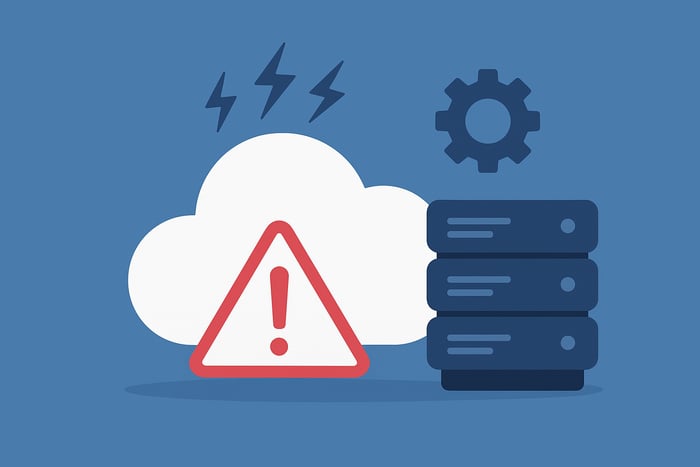
Graphic illustration showing cloud performance testing with servers, load meters, and data flow indicators

Cloud Performance Testing: Evaluating Scalability and Reliability in Cloud Environments

What is Cloud Performance Testing? 

Cloud performance testing helps teams validate how an application behaves under real-world load conditions before it reaches end users. Unlike traditional setups, cloud-based environments offer on-demand scalability, cost efficiency, and geographic flexibility that legacy infrastructure cannot match.

Did you know that 94% of enterprises are already leveraging cloud services? As cloud adoption continues to soar, ensuring the performance of these environments becomes increasingly critical.

This blog will explore why cloud performance testing is essential for your business and how it can help you achieve scalability and reliability in your cloud infrastructure.

Why is Cloud Performance Testing Important?

Customer Satisfaction:

  • Swift and seamless user experience is paramount in today’s digital landscape.
  • Performance issues like slow load times or unresponsive interfaces can drive customers away.
  • Cloud performance testing ensures you identify and fix potential bottlenecks before they affect users, enhancing satisfaction and retention.

Cost Efficiency:

  • Efficient resource utilization is crucial for cost savings in cloud infrastructure.
  • Performance optimization helps in identifying underutilized resources and unnecessary costs.
  • By fine-tuning performance, businesses can reduce operational expenses and maximize ROI on their cloud investments.

Business Continuity:

  • Downtime can be detrimental to revenue and reputation.
  • Cloud performance testing proactively identifies potential points of failure.
  • Implementing reliability measures such as failover mechanisms and disaster recovery plans ensures uninterrupted operations, even in adverse conditions.

What Are the Benefits of Cloud Performance Testing?

Cloud performance testing assesses how applications function in a cloud environment. Applications must handle fluctuating traffic, sustain performance under stress, and recover from failures quickly. Teams that skip this step often pay the price through unplanned downtime and a poor user experience.

Here’s why businesses are making the shift:

  • Scalable test environments: Teams can instantly spin up thousands of virtual users without investing in physical hardware. This makes it easy to simulate sudden traffic spikes with precision.

  • Faster time-to-test: Tests can be configured and executed in hours, not days. This accelerates release cycles and keeps CI/CD pipelines moving.

  • Cost-effective execution: You pay only for the compute resources you use. There’s no overhead from maintaining dedicated test infrastructure.

  • Geo-distributed testing: Teams can simulate user traffic from multiple regions. This helps detect latency and performance issues across global audiences.

  • Seamless CI/CD integration: Performance tests embed directly into your DevOps pipeline. This enables continuous, automated validation at every release stage.

  • Accurate production parity: Cloud environments closely mirror production setups. This leads to more reliable and actionable test results.

  • Faster root cause analysis: Built-in monitoring tools surface bottlenecks like slow APIs or database queries in real time.

Of course, performance testing delivers its full value only when the underlying application is built for the cloud. Teams that invest in cloud-native architecture from the start consistently see faster test cycles, fewer bottlenecks, and more actionable results. Mindfire’s Cloud Application Development Services combine cloud-native architecture with performance-first development practices refined across 25+ years of enterprise software delivery. The result is applications that are easier to test, faster to scale, and more resilient under real-world traffic demands.

What are the Types of Cloud Performance Testing?

Load Testing: Simulating User Traffic

  • In Cloud Environments: Utilize cloud-based load testing tools to simulate realistic user traffic scenarios.
  • Purpose: Measure how your system performs under expected peak loads, ensuring it can handle typical usage without degradation.

Stress Testing: Pushing the System to its Limits

  • In Cloud Environments: Increase the load beyond normal capacity to determine the breaking point.
  • Purpose: Identify performance bottlenecks and weaknesses in your system, ensuring it can withstand unexpected spikes in traffic or resource demands.

Spike Testing: Testing Sudden Increases in Load

  • In Cloud Environments: Introduce rapid and significant load increases to assess system response.
  • Purpose: Evaluate how your system scales dynamically to sudden surges in traffic, ensuring it can handle unexpected peaks without degradation.

Soak Testing: Evaluating Performance Over Extended Periods

  • In Cloud Environments: Run prolonged tests to assess performance stability over time.
  • Purpose: Detect memory leaks, performance degradation, or other issues that may arise during sustained periods of activity, ensuring long-term reliability.

Reliability Testing: Ensuring Systems Can Recover from Failures

  • In Cloud Environments: Introduce controlled failures to test system recovery mechanisms.
  • Purpose: Validate the effectiveness of redundancy, failover, and disaster recovery strategies, ensuring your system can maintain uptime and data integrity in the event of failures or disruptions.

What are the Best Tools for Cloud Performance Testing? 

Monitoring Tools: Prometheus, Grafana

  • In Cloud Environments: Prometheus and Grafana are highly compatible with cloud platforms like AWS, Azure, and Google Cloud.
  • Purpose: These tools allow for comprehensive monitoring of cloud infrastructure, providing real-time insights into performance metrics such as CPU usage, memory consumption, network traffic, and more. Grafana’s visualization capabilities enhance data analysis, enabling proactive identification of performance issues and optimization opportunities.

Load Testing Tools: Apache JMeter, LoadRunner

  • In Cloud Environments: Both Apache JMeter and LoadRunner can be seamlessly integrated into cloud environments using scalable infrastructure.
  • Purpose: These tools facilitate load testing by simulating user traffic and generating load on cloud-based applications. By accurately replicating real-world scenarios, they help assess how cloud systems perform under different levels of demand, ensuring scalability and reliability.

Chaos Engineering Tools: Chaos Monkey, Gremlin

  • In Cloud Environments: Chaos Monkey and Gremlin are designed to work within cloud-native architectures, leveraging cloud services for controlled chaos experiments.
  • Purpose: These tools enable chaos engineering practices in the cloud, allowing organizations to intentionally inject faults and disruptions into their systems to test resilience and fault tolerance. By simulating failures in a controlled environment, they help identify weaknesses and strengthen cloud infrastructure’s reliability and availability.

Best Practices for Cloud Performance Testing

1. Define Clear Obejctives

  • What to Do: Establish specific performance goals and key performance indicators (KPIs).
  • How to Do It: Identify metrics such as response time, throughput, and resource utilization that need to be measured.

2. Use Realistic Scenarios

  • What to Do: Ensure testing environments closely mimic production conditions.
  • How to Do It: Replicate production configurations, data sets, and user behaviors in your testing setup.

3. Automate Testing

  • What to Do: Integrate performance testing into your development workflow.
  • How to Do It: Use CI/CD pipelines to run automated performance tests with every code change.

4. Monitor Continuously

  • What to Do: Keep track of system performance in real-time.
  • How to Do It: Utilize monitoring tools like Prometheus and Grafana to set up dashboards and alerts for ongoing performance tracking.

5. Plan for Failures

  • What to Do: Ensure your system can recover quickly from disruptions.
  • How to Do It: Develop disaster recovery plans and use chaos engineering tools like Chaos Monkey to test your system’s resilience.

Conclusion

Ultimately, cloud performance testing is about confidence. Confidence that your application can handle real traffic, real users, and real-world conditions. Building that confidence requires the right tools, the right environment, and a consistent testing discipline at every stage of development.

Organizations that build performance testing into their development process early are better positioned to scale confidently. This applies not just to application layers but also to the database layer. Explore how database performance testing works to build a more complete picture of end-to-end performance validation.

Partner With Expert Software Testers Who Deliver Results

At Mindfire, we are experts in ensuring your cloud environment is scalable and reliable through comprehensive performance testing services. Our proven methodologies and use of industry-leading tools ensure your systems perform optimally, even under the most demanding conditions. We invite businesses to partner with us to enhance their cloud performance, reduce costs, and ensure uninterrupted operations. Contact us today to learn how we can help you achieve superior cloud performance.

Spread the love
  •  
  •  
  •  
  •  
  •  
  •  
  •  
  •  
  •  

Supply Chain Traceability With Blockchain

What is Supply Chain Traceability?

 Supply chain traceability refers to the ability to track and trace the flow of products, components, or raw materials throughout the entire supply chain—from their origin through production, distribution, and ultimately to the end consumer or user. This visibility is crucial for several reasons:

  • Quality Control and Safety: Traceability ensures product safety by monitoring quality at every supply chain stage, critical in industries like food, pharmaceuticals, and automotive.
  • Compliance and Regulations: Traceability helps meet strict regulatory standards on product origins, ingredients, handling, and labeling, ensuring legal compliance.
  • Supply Chain Efficiency: Tracking goods’ location and status optimizes inventory management, reduces stockouts, minimizes wastage, and enhances operational efficiency.
  • Risk Management: Traceability identifies and mitigates risks like supply chain disruptions, counterfeiting, unauthorized substitutions, and unethical practices.
  • Customer Trust and Brand Reputation: Transparent supply chains meet consumer demands for product information, fostering trust, authenticity, and loyalty in today’s socially conscious market. 

Continue reading Supply Chain Traceability With Blockchain

Spread the love
  •  
  •  
  •  
  •  
  •  
  •  
  •  
  •  
  •  
DevOps Implementation Best Practices and Tools

DevOps Implementation Best Practices: Choose the Right DevOps Tools

In today’s fast-paced software development landscape, delivering high-quality applications quickly and efficiently is paramount. This is where DevOps comes in.

What is DevOps Implementation?

DevOps is a culture and set of practices that bridge the gap between development and operations teams, fostering collaboration and automation to streamline the software delivery process.

Simply put, DevOps aims to break down silos between development and operations, leading to:

  • Faster time to market: By automating tasks and creating a continuous delivery pipeline, teams can release new features and updates more frequently.
  • Improved software quality: DevOps practices emphasize collaboration and testing throughout the development lifecycle, resulting in fewer bugs and higher quality software.
  • Increased team productivity: Automation and streamlined workflows free up development and operations teams to focus on higher-value activities.
  • Enhanced collaboration: DevOps fosters a culture of communication and collaboration between development and operations teams, leading to better understanding of each other’s needs.
  • Reduced risk: Continuous integration and testing minimize the risk of introducing new bugs or regressions.

Continue reading DevOps Implementation Best Practices: Choose the Right DevOps Tools

Spread the love
  •  
  •  
  •  
  •  
  •  
  •  
  •  
  •  
  •  
Blockchain Credentials and Digital Certificates in E-Learning

Blockchain Credentials and Digital Certificates in E-Learning

Introduction

In a world where knowledge is accessible at our fingertips and learning transcends physical boundaries, the value of credentials in e-learning has never been more significant. Imagine a scenario where your hard-earned certifications are not just pieces of paper or digital files but are securely stored, tamper-proof, and globally recognized. This is where the convergence of blockchain technology and digital certificates is reshaping the landscape of online education, bringing with it a wave of innovation and trust.

In traditional education systems, certificates and diplomas served as symbols of achievement, proving one’s expertise or the successful undertaking of a course. However, the digital age demands a more secure, transparent, and efficient way of credentialing, especially in the realm of e-learning, where millions of learners engage in diverse courses and programs from around the globe. Continue reading Blockchain Credentials and Digital Certificates in E-Learning

Spread the love
  •  
  •  
  •  
  •  
  •  
  •  
  •  
  •  
  •  
Isometric vector illustration depicting Automation in Compliance Testing, showing digital data packets flowing through a verification checkpoint with approved shields and rejected alert paths

Automation in Compliance Testing: Why is it Business Imperative

In today’s data-driven world, regulations are constantly evolving to keep pace with technological advancements and protect consumer privacy. For businesses across all industries, from finance and retail to healthcare and beyond, ensuring compliance with these regulations is no longer optional; it’s a necessity. This is where compliance testing comes in – a rigorous process of verifying that software, systems, and business practices adhere to established standards.

What is Compliance Testing?

Compliance testing involves a series of systematic checks to ensure your organization’s operations align with relevant laws and regulations. These tests can be specific to a particular industry, such as the General Data Protection Regulation (GDPR) for data privacy in Europe, or more general, like the Payment Card Industry Data Security Standard (PCI DSS) for secure credit card transactions. Continue reading Automation in Compliance Testing: Why is it Business Imperative

Spread the love
  •  
  •  
  •  
  •  
  •  
  •  
  •  
  •  
  •  
Combatting Plagiarism in E-learning with Blockchain-based Content Verification

Combatting Plagiarism in E-learning with Blockchain-based Content Verification

The Growing Concern of Plagiarism in E-Learning

Imagine a scenario where a diligent student spends hours researching, crafting, and perfecting an essay for an online course. They submit their work with pride, only to later discover that parts of their hard-earned content have been copied and passed off as someone else’s. This scenario is not uncommon in the realm of e-learning, where plagiarism poses a significant challenge to academic integrity and the credibility of online education.

Plagiarism, the act of using someone else’s work without proper attribution, is a pervasive issue in e-learning platforms and digital content creation. With vast amounts of information readily available online, students may unknowingly or intentionally resort to copying content, undermining the learning process and devaluing the educational experience.

The impact of plagiarism in e-learning extends beyond individual assignments. It erodes the trust between educators and students, compromises the authenticity of academic achievements, and diminishes the reputation of educational institutions. Moreover, in a digital age where information can be easily replicated and distributed, combating plagiarism requires innovative solutions that go beyond traditional methods of detection and deterrence. This is where blockchain-based content verification emerges as a promising strategy to uphold academic integrity and combat plagiarism effectively.

Challenges faced by Educators and Institutions in detecting and preventing Plagiarism 

Detecting and preventing plagiarism presents several challenges for educators and institutions in the e-learning landscape:

  • Vast Amount of Digital Content: With a plethora of online resources available, identifying original sources and detecting copied content manually can be time-consuming and challenging.
  • Diverse Forms of Plagiarism: Plagiarism comes in various forms, including direct copying, paraphrasing, and using unoriginal ideas. Each type requires different detection methods and strategies.
  • Tech-Savvy Students: Many students are adept at using technology to mask plagiarism, such as using paraphrasing tools or purchasing pre-written essays from online sources, making it harder to detect copied content.
  • Global Collaboration: E-learning often involves collaboration among students from different backgrounds and locations. Ensuring each student’s contribution is original and properly attributed can be complex, especially in group projects.
  • Adapting to New Technologies: Plagiarism tactics evolve with advancements in technology. Educators and institutions must continuously update their plagiarism detection tools and methods to stay ahead of sophisticated plagiarism techniques.
  • Privacy and Data Security: Implementing robust plagiarism detection systems while respecting student privacy and maintaining data security is a delicate balance that institutions must navigate.
  • Educational Culture: Encouraging a culture of academic honesty and integrity among students requires ongoing education, communication, and reinforcement of ethical standards.

Addressing these challenges requires a multifaceted approach, combining technology solutions like plagiarism detection software with educational initiatives focused on promoting ethical writing practices and fostering a culture of integrity within e-learning environments.

Blockchain’s Role in Addressing Plagiarism Challenges

Blockchain technology, often associated with cryptocurrencies like Bitcoin, has emerged as a transformative innovation with far-reaching applications beyond finance. At its core, blockchain is a decentralized and immutable ledger that records transactions across a network of computers in a secure and transparent manner. Each transaction, or “block,” is linked to the previous one, creating a chain of blocks that cannot be altered retroactively without consensus from the network participants.

The potential of blockchain technology extends well beyond financial transactions. One promising application lies in addressing the persistent challenge of plagiarism through content verification. By leveraging blockchain, educators and institutions can establish a robust framework for verifying the authenticity and ownership of digital content in e-learning environments.

Blockchain’s key features, such as immutability, transparency, and decentralized consensus, contribute to its effectiveness in combating plagiarism:

  • Immutability: Once data is recorded on a blockchain, it cannot be altered or tampered with. This ensures that content ownership and creation timestamps remain verifiable and tamper-proof, providing a reliable record of authenticity.
  • Transparency: Blockchain operates on a transparent and distributed ledger accessible to all participants in the network. This transparency fosters trust and accountability by allowing stakeholders to verify the history and integrity of content ownership and usage.
  • Decentralization: Unlike traditional centralized systems, blockchain is decentralized, meaning no single entity has control over the entire network. This decentralization reduces the risk of data manipulation and enhances the reliability of content verification processes.
  • Smart Contracts: Blockchain platforms often support smart contracts, self-executing agreements with predefined conditions. Smart contracts can be utilized to automate content licensing, usage rights, and permissions, ensuring that content is used according to the creator’s specified terms.

By integrating blockchain-based content verification mechanisms into e-learning platforms, educators can more effectively detect instances of plagiarism, verify the originality of student submissions, and promote a culture of academic integrity. Furthermore, blockchain’s potential extends to credentialing and certification, providing secure and verifiable credentials for learners’ achievements in online education. This convergence of blockchain technology and e-learning holds promise for fostering a trustworthy and credible digital learning ecosystem.

Conclusion

Plagiarism remains a significant issue in e-learning, posing challenges for educators and institutions striving to maintain academic integrity in digital environments. Mindfire recognizes the pressing need for effective solutions to combat plagiarism and promote originality in online education. Leveraging blockchain technology, we can custom-build robust content verification systems that can not only detect plagiarism but also ensure transparency, immutability, and decentralized control over educational content.

As a leading blockchain development company, we invite businesses and educational institutions to partner with us. Together, we can revolutionize content verification processes, empower educators and learners with innovative tools, and foster a culture of ethical content creation and knowledge sharing in the digital learning landscape.

Contact us today to explore how our expertise can elevate your approach to content integrity and academic excellence in the evolving e-learning ecosystem.


Spread the love
  •  
  •  
  •  
  •  
  •  
  •  
  •  
  •  
  •  

Contract Testing vs Integration Testing: Ensuring Compatibility in Microservices

The world of software development is rapidly shifting towards microservices architectures. These architectures break down applications into smaller, independent services that communicate with each other. While this approach offers numerous advantages, it also introduces new challenges, particularly in testing how these services interact seamlessly.

This blog post explores two prominent approaches for microservices testing: Integration Testing and Contract Testing. We’ll delve into their functionalities, strengths, and weaknesses to help you decide which method (or combination) best suits your needs. Continue reading Contract Testing vs Integration Testing: Ensuring Compatibility in Microservices

Spread the love
  •  
  •  
  •  
  •  
  •  
  •  
  •  
  •  
  •  
Serverless eCommerce for Agile and Scalable Platforms

Serverless eCommerce for Agile and Scalable Platforms

Introduction: Why is serverless computing the way forward?

Imagine you have a website or an app that needs to do some computing tasks. Traditionally, you’d need to set up and manage a server to handle these tasks. But with serverless computing, you don’t have to worry about servers at all!

The term “serverless” can be misleading, as it’s more about marketing than a fundamental absence of servers in cloud hosting, especially in platforms like B2B marketplaces. In reality, all serverless applications do run on servers; they are typically the same servers you could rent as virtual machines or dedicated/bare-metal servers. It is like renting a space only when you need it. When a task needs to be done, a server magically appears to handle it, and then disappears when it’s done. You only pay for the time the server is active, which can save you money and headaches. The responsibility of server management shifts from the developers to the cloud service provider. Developers write and deploy code in the form of small functions, leaving the infrastructure management to the cloud platform. Continue reading Serverless eCommerce for Agile and Scalable Platforms

Spread the love
  •  
  •  
  •  
  •  
  •  
  •  
  •  
  •  
  •  
Machine Learning for Credit Risk Assessment and Lending Decisions

Machine Learning for Credit Risk Assessment and Lending Decisions

The Backbone of Financial Stability: Lending Decisions and Credit Assessment

In the financial world, lending decisions and credit assessment are the bedrock of stability and growth. Imagine a scenario where loans are handed out without thorough evaluation—risks would skyrocket, and financial stability would be compromised.

Lending decisions are not just about disbursing funds; they are about understanding the financial health and credibility of borrowers. It’s a delicate balance of risk and reward, where responsible lending fuels economic activities and fosters progress. Continue reading Machine Learning for Credit Risk Assessment and Lending Decisions

Spread the love
  •  
  •  
  •  
  •  
  •  
  •  
  •  
  •  
  •